「置身於魔法中心是什麼感覺?」
如果有去過大港,就會感受過李彥勳導播掌鏡的畫面有什麼魔法。
“How’s it feel to be at the centre of magic?”
If you’ve been to Megaport Festival, you’ve experienced the magic of Director Yan-Shin Lee’s camera work.
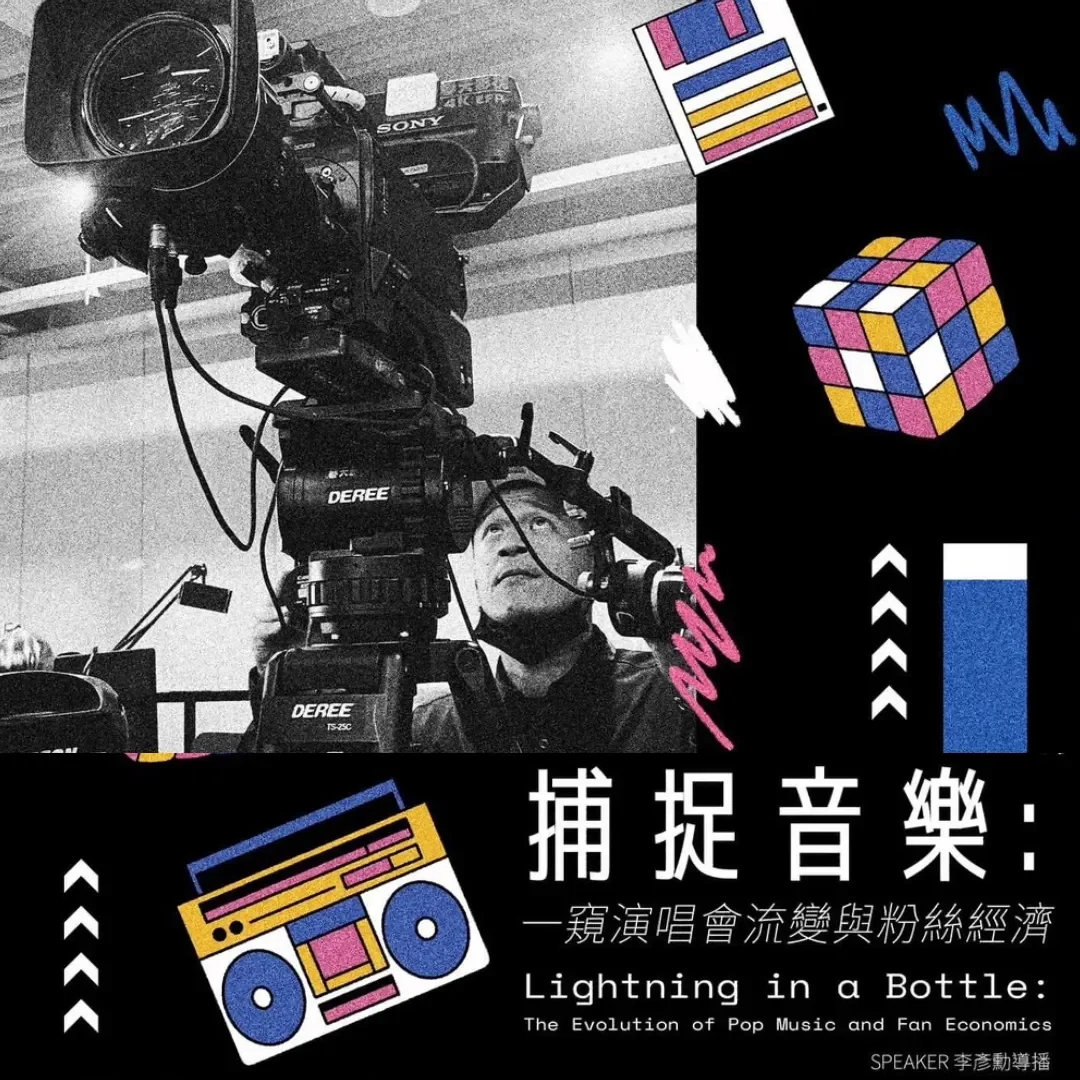
李彥勳導播 成大創產所 創意產業調查課程演講海報
在分享之前,導播先是調整現場音量(好喜歡看講者在講話之外透露出的各種專業)
簡單介紹後用 Japanese Breakfast 的〈Paprika〉開場,聽了心肝頭咇噗跳。
Before sharing, the director first adjusted the volume (I love seeing the various forms of professionalism revealed beyond what the speaker says).
After a brief introduction, the event kicked off with Japanese Breakfast’s “Paprika,” which made my heart race.
看歌名確實就是今敏《盜夢偵探》(Paprika)電影裡的遊行作為靈感 雖然是開場,但聽完演講以後反而持續縈繞心頭。
The song title is indeed inspired by the parade in Satoshi Kon’s film “Paprika.” Although it was the opening song, it lingered in my mind even after the talk.
How’s it feel to be at the centre of magic
To linger in tones and words?
I opened the floodgates
And found no water, no current, no river, no rush
How’s it feel to stand at the height of your powers
To captivate every heart?
Projecting your visions to strangers who feel it
Who listen, who linger on every word
— Paprika, Japanese Breakfast
舞台絕對是魔法發生的地方,一些生活圈的朋友們喜歡的歌手們田馥甄、安溥、以及鳳中傑出校友林宥嘉(上次校慶錯過了,殘念),這些歌手們在受到公司的限制時,除了歌喉,少數可以發揮的地方就是舞台的呈現;導播就是直接與歌手溝通、討論,把影像跟情緒放大的管道。
而要怎麼讓舞台上的魔法延續到生活中,用語言跟畫面建構想要看見的世界?
這似乎不只是導播的工作。
The stage is truly a place where magic happens. Some of this generation’s favourite singers, like Hebe Tien, Deserts Chang, and my school’s esteemed alumnus, Yoga Lin (I missed him at the last school celebration, such a shame), can only fully express themselves within the constraints set by their companies. However, the director works closely with the singers, discussing and enhancing the emotions through the visuals to present the singers as they wish to be seen.
In the meantime, how can the magic on stage extend into our lives, constructing the world we want to see with language and images?
This seems to be more than just the director’s job.
.
回到那首歌,專輯名稱叫《Jubilee》,禧年、狂歡。
看起來好像在歡樂的氛圍下抽離現實,但就像遇過的好多講者,有時候談到產業難處會說自己悲觀 卻依舊時不時可以從字裡行間看到一些像遊行的人物般跳躍著行進的蹤跡,繼續一步一步用專業跟理解邁向自己理想的樣貌
這種時候,是虛幻亦是現實好像就不是這麼重要了。
Back to the song, the album is called “Jubilee,” a time of celebration and festivity.
It may seem to detach from reality under a joyous atmosphere, but like many speakers I’ve encountered, sometimes when discussing the barriers or difficulties in the industry, they would speak pessimistically. Yet, between the lines, I could still see traces of parade-like figures, leaping forward step by step with professionalism and understanding towards their ideal selves.
At such times, whether it’s illusion or reality doesn’t seem to matter much.
.
談到產業現況,講者說到,跟以前先喜歡歌手/音樂,再進行其他消費的管道相比,在多元的管道下,有些人接觸音樂是看完某部影片後進而喜歡裡面的音樂
但當天我是在之前就喜歡了這首歌,經過這個體驗後讓它更加深深地從我的耳蝸中迴盪到可以儲存很久很久的地方。
The speaker mentioned that compared to the past, when people first liked the singer or music and then engaged in other consumption channels, nowadays, some people might be exposed to music after watching a video.
But that day, I liked the song beforehand, and this experience made it resonate deeply in a place where it can be stored for a long, long time.
.
另外也分享結尾的時候放的歌
囡仔 你就要會記
歷史教咱錯誤可以原諒但是不能忘記
轉頭回來了解你對叼位來
才有法度知道要對叼位去
張睿銓 — 囡仔
(英文老師寫台語饒舌真的是敬佩到不行,這個太龐大這篇塞不下去但真的帥還是想提)
Additionally, the speaker concluded his talk with another song:
Child, you must remember History teaches us that mistakes can be forgiven but not forgotten Look back and understand where you came from Only then can you know where to go
Gín-á (Hey Kid), Chang Jui-chuan
(I deeply admire the English teacher who writes Taiwanese rap. This topic is too vast to cover here, but I wanted to mention it because it’s just iconic.)
在看到簡報的時候,真的是沒有想到演唱會產業會講到以農立國,但這確實重要,知道自己是誰、知道對話的對象是誰、可以發揮的場域在哪裡,進而在自由市場裡面創造經濟⋯⋯
比起喊口號,親自在每一場演唱會中用鏡頭塑造歌手想要的樣貌,這樣的支持在沒有說出來之前很無聲,但意識到以後醞釀的想像和影響無窮,衷心佩服。 大家有機會多去聽演唱會支持喜歡的音樂,遇到喜歡的音樂多分享、創自己的歌單。
不停地認識自己從哪裡來,這些都是細碎日常裡面重要的事,也往往是形塑產業的關鍵。
When I first saw the presentation, I really didn’t expect the concert industry to talk about agriculture and how Taiwan was built on this foundation, but it’s indeed important. Knowing who you are, knowing who your audience is, and knowing where you can perform, thereby creating an economy in the free market…
Instead of shouting slogans, supporting singers by shaping their desired image with the camera at every concert seems to be a very silent act before it’s spoken out, but once realised, the brewing imagination and influence are infinite. I deeply admire it.
Go to more concerts to support the music we love, share the music we like, and create our own playlists.
Continuously understanding where we come from, these are important things in our fragmented daily lives, and they are often the key to shaping the industry.
And that could be the centre of magic.
.
黑潮制所 李彥勳導播
捕捉音樂:一虧演唱會流變與粉絲經濟
Lightning in a Bottle: The Evolution of Pop Music and Fan Economics
國立成功大學 創意產業設計研究所 創意產業調查課程
Creative Industries Investigation, ICID, NCKU
